
The Japanese motorcycle industry we know today is a very different landscape from the one in the early 20th century. Among the lesser-known but historically significant players was Rikuo Motorcycles, a brand whose legacy is inseparably tied to Harley-Davidson. With its unique blend of American engineering and Japanese craftsmanship, Rikuo occupies a fascinating chapter in the annals of motorcycle history.
The name “Rikuo,” roughly translated as either “land king” or “continent king,” evoked strength, reliability, and dominance. However, the company’s origins and its connection to Harley-Davidson tell a larger story about globalization, protectionist policies, and the interplay of industry and geopolitics.
Harley Comes to Japan
Harley-Davidson motorcycles first arrived in Japan in 1924, imported by Sankyo Trading Co. At the time, even though Indian was actively importing sidecar setups to Japan, the country’s motorcycle market was nascent, and Harley-Davidson’s rugged design, ample power, and durability quickly captured the imagination of Japanese consumers as well as the military and local police forces.
But importing motorcycles came with significant hurdles. In the late ’20s, Japan’s protectionist policies, including high tariffs on imported goods, combined with a 50% decline in the value of the yen, made Harley-Davidson motorcycles prohibitively expensive. Sensing an opportunity, Harley-Davidson struck a deal with Sankyo in 1932, granting the company a license to produce Harley motorcycles domestically, allowing the Motor Company to compete in Japan without the burden of import tariffs.
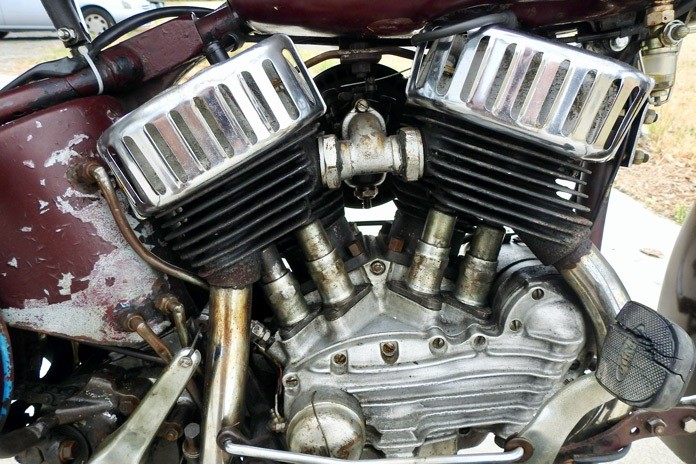
The partnership was one of the earliest examples of international licensing in the motorcycle industry. Harley-Davidson provided blueprints, tooling, and technical expertise, while Sankyo handled local production. The motorcycles produced under this agreement were near-identical to Harley’s iconic VL flathead models.
The Birth of Rikuo
In the mid-1930s, Sankyo’s motorcycle division was rebranded as Rikuo Nainenki, marking the full transition of Harley-Davidson’s Japanese operations into a domestically controlled enterprise. This period coincided with significant political and economic shifts in Japan. The government’s push for domestic self-sufficiency and military readiness influenced the trajectory of Rikuo’s production, and the Japanese army started putting pressure on Sankyo to sever its ties with the American company.
Around this same time, Harley-Davidson offered Rikuo the blueprints for its cutting-edge Knucklehead model. Japan’s focus on militarization and the growing tension between the two nations led Rikuo to decline the offer, focusing instead on the older flathead designs. This decision marked the beginning of the end of the two companies’ relationship.
By 1939, Rikuo had become an independent manufacturer, and when World War II began, it severed ties with Harley-Davidson entirely. During the war, Rikuo shifted its focus to military production, supplying motorcycles to the Japanese army. These bikes, many equipped with sidecars, were used for transporting personnel, equipment, and even light artillery. To withstand the harsh conditions of war, the bikes’ frames and suspensions were reinforced, and larger, more rugged tires were fitted for off-road use.
Post-War Challenges
After the war, Rikuo resumed civilian motorcycle production, but it faced significant challenges. The country’s economy was in ruins, and consumer demand shifted toward smaller, more affordable vehicles. Emerging brands like Honda, Yamaha, and Tohatsu capitalized on this trend, producing bikes with overhead valves, electric starters, and better suspension while Rikuo continued making outdated and heavy flathead V-Twin models.
By the 1950s, Rikuo’s inability to innovate left it struggling to compete. In 1957, Meguro released a 650cc OHV parallel-Twin, and the already dwindling sales at Rikuo plummeted. The company ceased production the following year. Motorcycles were made from parts until 1960, when the factory closed its doors for good. This marked the end of an era for a brand that had once been a symbol of Japanese-American collaboration in the motorcycle industry.
Rediscovering Rikuo
Today, Rikuo motorcycles are rare and highly collectible. One enthusiast is New Zealander Lindsay Williamson, a founding member of the BEARS motorcycle club and a lifelong aficionado of classic bikes.
Williamson first encountered Rikuo motorcycles during a trip to Japan over a decade ago. At the time, he dismissed them as mere Harley clones. However, as he learned more about their history, his curiosity grew.
“The Japanese ditched the Americans when Harley offered them the blueprints for the Knucklehead,” Williamson told me. “With the war coming, they chose to keep making the Rikuo instead. It’s fascinating how these bikes evolved after that.”
Williamson’s passion for motorcycles runs deep. In 1975, he founded Christchurch Motorcycles, one of New Zealand’s first Harley-Davidson dealerships. Over the years, he transitioned to importing and trading used Harley-Davidson, Indian, and Victory motorcycles. His fascination with Rikuo eventually led him to acquire a 750cc model from 1957.
The 1957 Rikuo: A Closer Look
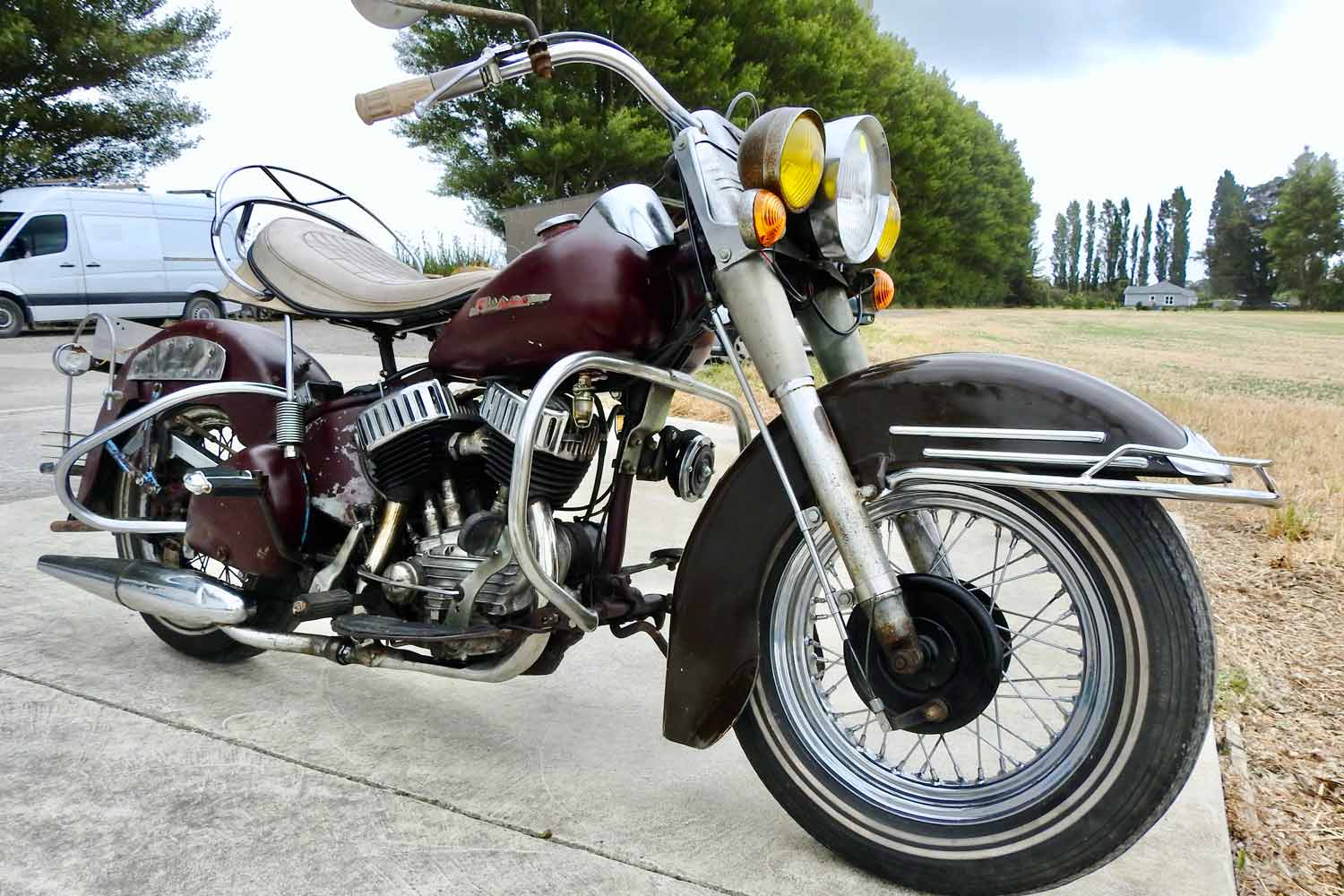
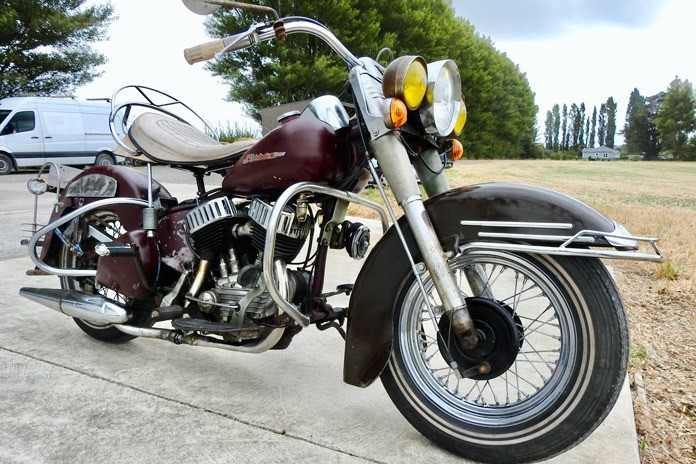
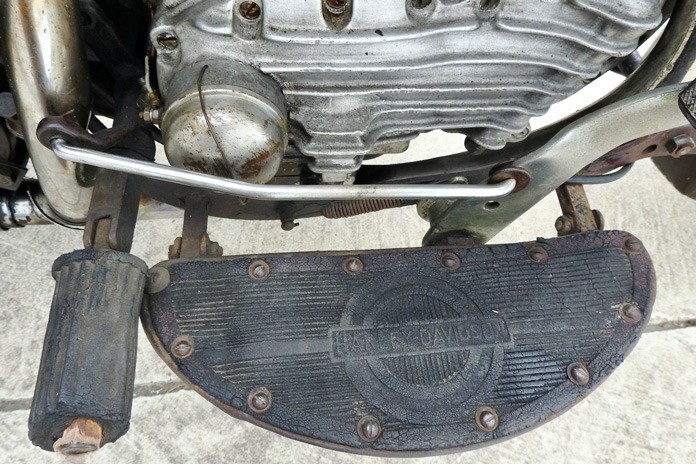
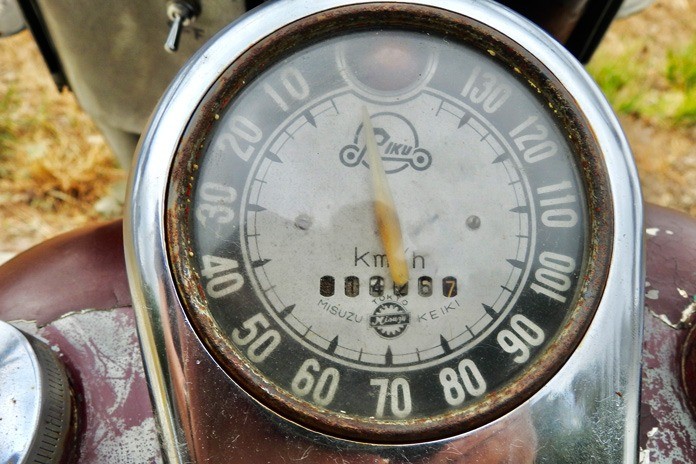
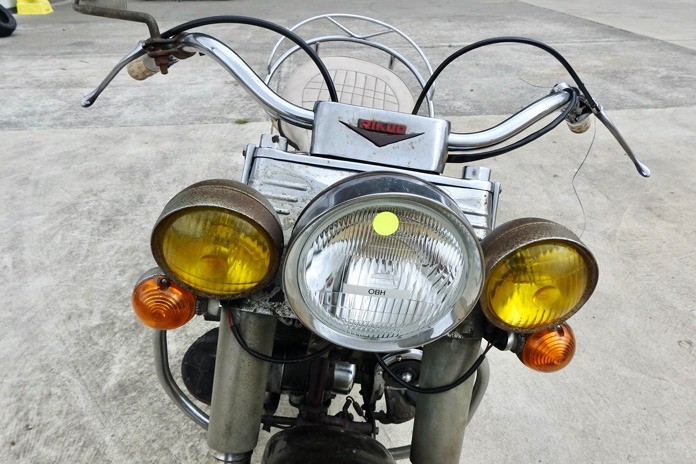
Williamson’s 1957 Rikuo is a testament to the brand’s craftsmanship and durability. “This bike was in original, unrestored condition when I got it,” he recalled. “The controls, clutch, and brakes are beautifully preserved. Even the speedometer, which runs in reverse, still works perfectly. It’s amazing to see the red neutral light and spotlights still functioning after all these years.”
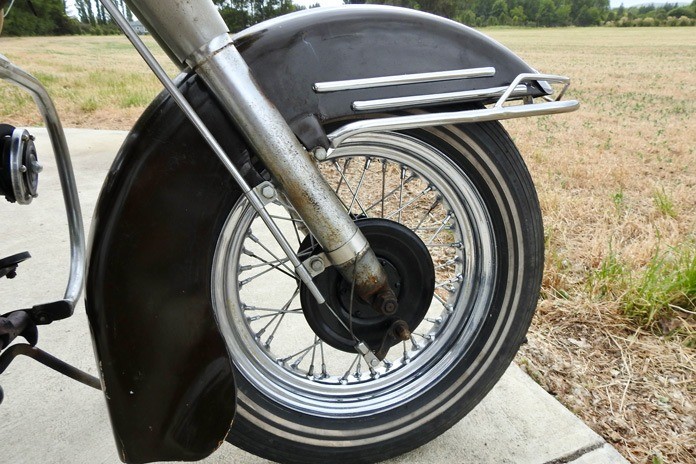
Rikuo motorcycles closely followed Harley-Davidson’s VL flathead designs but included modifications for Japanese conditions. Like the VL, the Rikuos featured side-valve V-Twins that ranged in displacement from 737cc to 1,200cc. The bikes also had a classic cruiser aesthetic, with large fenders and tank-mounted speedos. The frame was tubular steel, with reinforced variants for military models, and suspension included a springer fork for civilian models, later replaced by a telescopic fork. Front and rear drum brakes provided stopping power. Military models also featured rugged tires and sidecars.
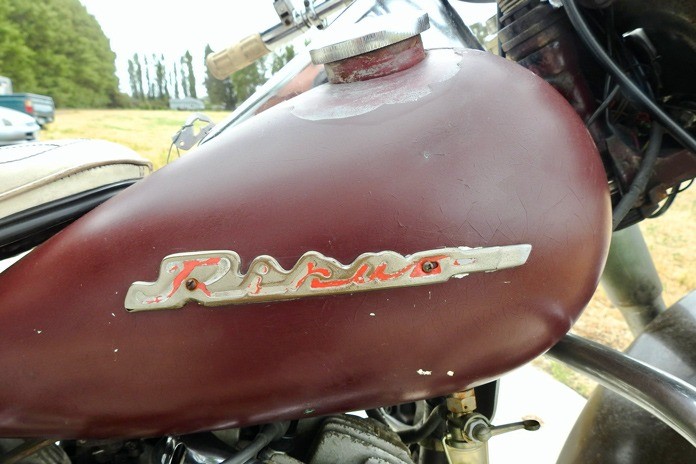
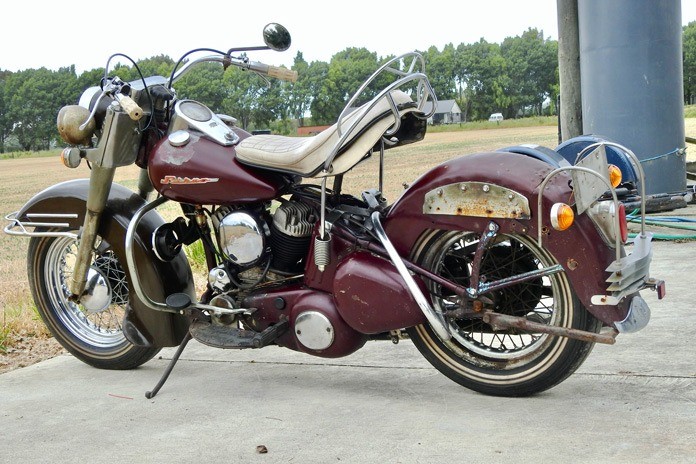
The 750cc Rikuo features a 4-speed gearbox, 16-inch wheels, and a tilting rear fender for easy maintenance. It’s equipped with butterfly crash bars, and its chromed oil tank evokes the design language of Harley-Davidson’s Softail models from the 2000s.
One unique feature is the high-backed seat, which requires careful mounting to avoid losing footing. The bike also boasts foldable pillion footpegs and dual parking stands.
Williamson plans to register the Rikuo for road use under New Zealand’s classic vehicle program. While he’s not actively looking to sell, he acknowledges that the bike could fetch a new owner for the right price.
Rikuo’s Legacy
While Rikuo motorcycles were not groundbreaking, they were reliable, well-built machines that reflected the industrial capabilities of their time. Their Harley-Davidson lineage adds to their appeal.
Fully restored Rikuo motorcycles can command $25,000-$40,000, while well-preserved originals often sell for $20,000-$30,000. Production estimates suggest that Rikuo manufactured around 18,000 units before World War II and an additional 7,000-8,000 after the war.
For collectors like Williamson, Rikuo motorcycles are more than just machines; they’re a link to a unique period in motorcycle history. “This bike is a testament to craftsmanship and a bridge between two motorcycle cultures,” he said. “It’s a piece of history I’m proud to own.”
Rikuo motorcycles may have faded into obscurity, but their legacy endures in the hands of passionate collectors. They are a reminder of a time when American ingenuity and Japanese craftsmanship came together, creating a motorcycle that was as much about history as it was about the road.
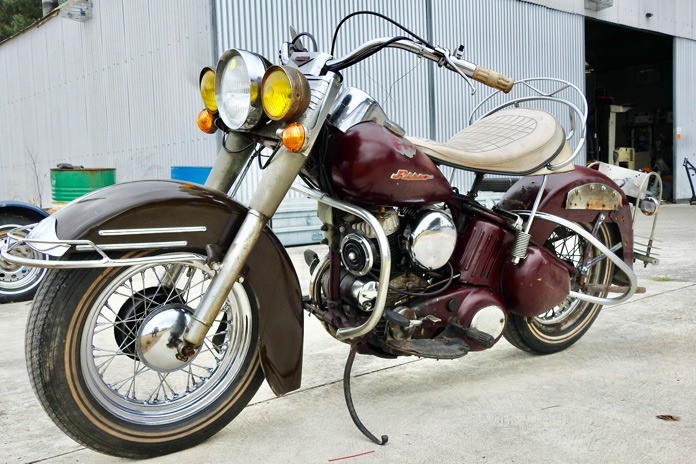
1957 Rikuo RT2
- Engine Type: Air-cooled 45-degree V-Twin
- Displacement: 45ci / 747cc
- Horsepower: 22 hp @ 4,250 rpm
- Transmission: 4-speed
- Final Drive: Chain
- Wheelbase: 61 in.
- Suspension: Telescopic fork, rigid rear
- Top Speed: 60 mph
- Weight: 546 lb